
The elegant way to prepare for the expenses you already know are coming.
There is a difference between being surprised by an expense and simply not being prepared for it.
Christmas arrives every year.
Car registration comes around.
Insurance needs to be renewed.
Birthdays happen.
Annual memberships renew.
And eventually, your next holiday will need to be paid for.
These expenses aren’t necessarily emergencies.
They’re simply predictable expenses that don’t happen every month.
That’s where a sinking fund comes in.
At Finance Strategy Co., we believe good money management isn’t about constantly reacting to what’s happening in your bank account.
It’s about creating a system that quietly prepares you for what’s ahead.
A sinking fund gives your future expenses somewhere to live before they arrive.
And when you have a plan for the expenses you already know are coming, your finances can feel significantly calmer.
What Is a Sinking Fund?
A sinking fund is money you gradually set aside for a specific planned expense or financial goal.
Instead of waiting until the expense is due and finding the money all at once, you break the cost into smaller contributions over time.
For example, imagine your car registration and related annual costs come to approximately $1,200.
Rather than trying to find $1,200 when the bill arrives, you could gradually save towards that amount throughout the year.
The expense hasn’t changed.
Your approach has.
You are turning one large future expense into a series of smaller, manageable decisions.
That’s the power of a sinking fund.
Sinking Fund vs Emergency Fund
This distinction is important.
A sinking fund is generally for something you can reasonably anticipate.
An emergency fund is designed for unexpected financial events or necessary expenses.
Sinking Fund
“I know this expense is coming.”
Examples:
- Car registration
- Insurance
- Christmas
- Birthdays
- Annual memberships
- Holidays
- Home maintenance
- School expenses
Emergency Fund
“I didn’t expect this to happen.”
Examples could include:
- An unexpected major repair
- A sudden necessary expense
- A significant financial disruption
The exact use of your emergency fund will depend on your circumstances.
Think of it this way:
Sinking funds help you prepare for the predictable.
Emergency savings help you handle the unexpected.
Keeping the two purposes separate can make your financial system much easier to manage.

Why Sinking Funds Are a Game Changer
Without sinking funds, irregular expenses can feel like financial emergencies.
You might reach the end of the year and suddenly realise:
“Christmas is only six weeks away.”
Or:
“My insurance is due next month.”
Or:
“The car needs its annual registration.”
The expense itself isn’t unexpected.
You simply hadn’t prepared for it.
Sinking funds change that.
Instead of one large expense appearing out of nowhere, you’ve been quietly preparing for it all year.
Financial organisation creates breathing room.

The Finance Strategy Co. Approach
At Finance Strategy Co., we believe your financial system should help you feel organised, prepared and in control.
That’s why sinking funds fit naturally into the:
KNOW → ORGANISE → PLAN → BUILD → THRIVE
framework.
KNOW
Identify the expenses that regularly occur.
ORGANISE
Give each expense a clear place within your financial system.
PLAN
Work out how much you’ll need and when.
BUILD
Contribute consistently over time.
THRIVE
Reach the expense without the same financial stress.
It’s not complicated.
It’s simply intentional.
01 - Make a List of Your Irregular Expenses
-
Start by looking at the next 12 months.
Write down expenses that don’t occur every month but you know are likely to happen.
Think about:
HOME
- Repairs
- Maintenance
- Furniture
- Appliances
- Gardening
- Renovations
CAR
- Registration
- Servicing
- Tyres
- Maintenance
- Insurance
LIFESTYLE
- Holidays
- Birthdays
- Christmas
- Events
- Entertainment
PERSONAL
- Beauty appointments
- Clothing
- Technology
- Hobbies
FAMILY
- School expenses
- Children’s activities
- Gifts
- Family events
ANNUAL BILLS
- Insurance
- Memberships
- Subscriptions
- Professional fees
Your list will be personal to your lifestyle.
Don’t create sinking funds because someone on the internet told you to.
Create them because they solve a problem in your financial life.
02 - Look Back at What You Spent Last Year
One of the easiest ways to estimate your future expenses is to look at your past spending.
Check your:
- Bank statements
- Bills
- Receipts
- Subscription payments
- Insurance renewals
- Previous holiday spending
- Car expenses
- Christmas spending
You may discover that an expense costs significantly more than you remembered.
That’s useful information.
Your past spending can help you create a more realistic future plan.
03 - Estimate the Annual Cost
Now give each sinking fund a target.
For example:
| Sinking Fund | Estimated Annual Cost |
|---|---|
| Car | $1,200 |
| Christmas | $1,500 |
| Insurance | $1,800 |
| Travel | $3,000 |
| Home | $1,200 |
These numbers are examples only.
Your amounts will depend on your lifestyle.
Don’t worry about getting every number perfect.
Start with your best reasonable estimate.
You can adjust it later.
04 - Choose Your Timeframe
Now ask:
When will I need the money?
This is crucial.
Saving $1,200 over 12 months requires a very different contribution from saving $1,200 over three months.
For example:
Goal: $1,200
Timeframe: 12 months
Monthly contribution: $100
Or:
Goal: $1,200
Timeframe: 6 months
Monthly contribution: $200
Breaking the expense into smaller contributions makes it much easier to incorporate into your regular financial routine.
05 - Calculate Your Contribution
Use a simple formula:
Amount needed ÷ Number of saving periods = Regular contribution
For example:
If you need $1,500 for Christmas and have 10 months to save:
$1,500 ÷ 10 = $150 per month
If you are paid fortnightly, you could instead divide the goal across the number of pay periods available.
The exact contribution frequency is up to you.
Choose the rhythm that works naturally with your income.
06 - Prioritise Your Sinking Funds
You may discover that you have ten different expenses you want to prepare for.
That’s okay.
But you don’t necessarily need to fund all ten aggressively at once.
Start with the expenses that are:
Essential
High priority
Expensive
Coming soon
For example:
- Car registration
- Insurance
- Christmas
- Home maintenance
- Holiday
You can gradually add more sinking funds as your financial system becomes stronger.
More accounts don’t automatically mean better finances.
More clarity does.
07 - Give Each Fund a Name
This might sound small, but naming your sinking funds makes them much easier to understand.
Instead of:
Savings Account 1
Try:
Christmas 2026
Car
Travel
Home
Annual Bills
Birthdays
When you open your banking app, you immediately know what your money is for.
Give every dollar a destination.
08 - Keep Your Sinking Funds Separate
Depending on your banking setup, you may choose to keep sinking funds in separate savings accounts, buckets or sub-accounts.
This can make it easier to see how much you’ve saved for each goal.
For example:
Everyday Account
↓
Bills
↓
Emergency Fund
↓
Car
Travel
Christmas
Home
The exact structure doesn’t matter as much as the clarity.
Your financial system should make your money easier to understand.
09 - Automate Your Contributions
Once you’ve calculated your contribution, automate it where practical.
For example:
Payday
↓
$100 → Car Fund
$125 → Christmas Fund
$150 → Travel Fund
$75 → Home Fund
Now your sinking funds grow without requiring constant decision-making.
Automation turns a financial intention into a financial habit.
10 - Don't Forget to Account for Inflation and Rising Costs
One common mistake is assuming next year’s expenses will cost exactly what they cost last year.
Some costs may increase.
For that reason, you may want to build a small buffer into certain sinking fund targets.
For example:
If you estimate an annual expense will be $1,000, you may choose a slightly higher target to provide some breathing room.
The appropriate amount will depend on the expense and your circumstances.
A little extra preparation can prevent a lot of financial stress.
11 - Build a Buffer Into Your Sinking Funds
Life isn’t perfectly predictable.
Your holiday might cost more than expected.
The car may need an additional service.
Christmas spending may creep up.
A home project may become more expensive.
Where appropriate, consider building a small buffer into your target.
For example:
Estimated cost: $1,000
Target: $1,100
That extra $100 gives you a little flexibility.
And if you don’t use it?
You can leave it there for the next expense or redirect it towards another goal.
12 - Avoid Using Your Emergency Fund for Predictable Expenses
This is one of the biggest benefits of sinking funds.
Imagine your annual insurance bill arrives.
You don’t need to panic.
You don’t need to put it on a credit card.
You don’t need to take money from your emergency savings.
You’ve already been preparing.
That’s what financial planning looks like in practice.
You’re not necessarily earning more money.
You’re simply giving the money you already have a better structure.
13 - Make Your Sinking Funds Part of Your Budget
Your sinking funds should be included in your broader financial strategy.
Think of them as planned future expenses.
Your budget might include:
ESSENTIALS
Housing, groceries, utilities and transport.
LIFESTYLE
Dining out, entertainment and personal spending.
SAVINGS
Emergency fund and longer-term savings.
SINKING FUNDS
Car, Christmas, travel, annual bills and other planned expenses.
FUTURE
Long-term financial goals and wealth building.
This creates a much more complete picture.
You’re budgeting for today while preparing for tomorrow.
14 - Review Your Sinking Funds Monthly
Your sinking funds don’t need to be complicated.
During your monthly money review, check:
How much have I saved?
Is the target still realistic?
Has the expected expense changed?
Is the deadline getting closer?
Do I need to increase my contribution?
Do I have any new upcoming expenses?
A five-minute review can keep the entire system on track.
15 - Use a Financial Calendar
A financial calendar can make your sinking funds even more effective.
Write down when your major expenses are expected.
For example:
January — Car registration
March — Insurance
June — Holiday
October — Membership renewal
December — Christmas
Now you can work backwards.
What do I need?
When do I need it?
How much time do I have?
How much should I contribute?
This transforms your finances from reactive to proactive.

How Many Sinking Funds Should You Have?
There is no magic number.
You could have:
3
5
8
10
Or more.
But more isn’t necessarily better.
If managing 15 sinking funds makes your financial system complicated, simplify it.
You could combine similar expenses.
For example:
Annual Expenses
Insurance, memberships and registrations.
Lifestyle
Clothing, beauty and entertainment.
Gifts & Celebrations
Birthdays, Christmas and special occasions.
Home
Maintenance, furniture and repairs.
Travel
Holidays and travel-related expenses.
The best financial system is the one you can actually maintain.
Sinking Fund Ideas for Your Lifestyle
Need inspiration?
Here are some possibilities.
HOME
- Repairs
- Furniture
- Appliances
- Maintenance
- Décor
- Renovations
CAR
- Registration
- Insurance
- Servicing
- Repairs
- Tyres
- Future vehicle
TRAVEL
- Flights
- Accommodation
- Activities
- Spending money
CELEBRATIONS
- Christmas
- Birthdays
- Weddings
- Special occasions
PERSONAL
- Clothing
- Beauty
- Technology
- Hobbies
ANNUAL
- Memberships
- Insurance
- Subscriptions
- Professional expenses
FUTURE
- Education
- Career changes
- Business goals
- Major purchases
Choose only the funds that genuinely make sense for you.
How to Create a Sinking Fund When Money Is Tight
If your budget is already stretched, don’t feel like you need to create ten separate funds.
Start with one.
Choose the expense that would cause you the most financial stress if it arrived tomorrow.
Then begin there.
Even a small contribution can help.
For example:
$10 per week = approximately $520 over a year
$25 per week = approximately $1,300 over a year
Small contributions can become meaningful amounts over time.
Don’t underestimate the power of consistency.
What If You Don't Reach Your Sinking Fund Target?
Don’t panic.
Your strategy isn’t a failure.
Perhaps the expense was higher than expected.
Maybe your income changed.
Maybe an emergency interrupted your savings.
Maybe your original target wasn’t realistic.
Simply review the numbers.
Ask:
What changed?
What can I adjust?
Can I extend the timeframe?
Can I reduce another expense?
Can I contribute more when possible?
Financial strategy is about adapting, not being perfect.
What Happens After You Use Your Sinking Fund?
This is one of the best parts.
Suppose you’ve been saving for your annual car expenses.
The registration arrives.
You pay it.
Your sinking fund balance decreases.
That’s not a problem.
That’s the system working.
Now you simply start rebuilding the fund for the next cycle.
A sinking fund is designed to be used.
It’s not supposed to grow forever.
The Difference Between Saving and Preparing
Saving is putting money aside.
Preparing is knowing why you’re putting it aside.
A savings account might say:
$2,500
A structured financial system might say:
$800 — Car
$600 — Christmas
$500 — Travel
$400 — Annual Bills
$200 — Home
The total may be exactly the same.
But the second system gives your money meaning.
Organisation creates clarity.
The Psychology of Being Prepared
There is a quiet luxury in knowing an expense is coming and already having the money waiting for it.
No panic.
No scrambling.
No last-minute credit card purchase.
No wondering where the money will come from.
Just:
“I’ve already prepared for this.”
That is what financial organisation can give you.
Peace of mind.
And sometimes, the greatest benefit of a financial system isn’t the amount of money you save.
It’s the stress you no longer have to experience.
Sinking Funds Make Your Budget Feel More Realistic
Traditional budgets can sometimes focus almost entirely on monthly expenses.
But life isn’t monthly.
Some expenses happen quarterly.
Some annually.
Some once every few years.
A financial strategy that only looks at this month’s bills can miss the bigger picture.
Sinking funds help bring those future expenses into today’s plan.
You’re giving your future self a financial advantage.
The Finance Strategy Co. Philosophy
At Finance Strategy Co., we believe your money should work around your life — not the other way around.
That means creating systems that are:
Intentional.
Organised.
Flexible.
Realistic.
Beautifully simple.
A sinking fund is a perfect example.
It’s not about restriction.
It’s not about never spending.
It’s not about becoming obsessed with saving.
It’s about being prepared enough to enjoy your money with confidence.
Your Money. Your Strategy. Your Future.
A sinking fund may seem like a small financial tool.
But small systems create powerful results.
You identify what’s coming.
You calculate what you’ll need.
You break it into manageable contributions.
You automate where possible.
You track your progress.
And when the expense arrives, you’re ready.
KNOW.
Understand your financial commitments.
ORGANISE.
Give your expenses a place.
PLAN.
Prepare before the bill arrives.
BUILD.
Consistently set money aside.
THRIVE.
Move through your financial life with greater confidence and less stress.
That’s the Finance Strategy Method™.
The Luxury of Being Prepared
Luxury isn’t always about having more.
Sometimes it’s about having less financial chaos.
It’s opening your banking app and knowing what everything is for.
It’s seeing your Christmas fund already growing in July.
It’s knowing your car expenses are covered before registration arrives.
It’s booking your holiday because you’ve already planned for it.
It’s being able to enjoy your money without wondering whether tomorrow’s expenses will catch up with you.
That is intentional money management.
And that is the kind of financial life we’re building at Finance Strategy Co.
Start With One Fund
You don’t need to completely redesign your finances today.
Choose one expense.
One goal.
One fund.
Work out what you’ll need.
Choose your timeframe.
Set your contribution.
Then automate it.
Once that becomes comfortable, add another.
And another.
Over time, you’ll have a financial system quietly preparing you for the future.
One fund becomes a system.
A system becomes a strategy.
A strategy creates confidence.
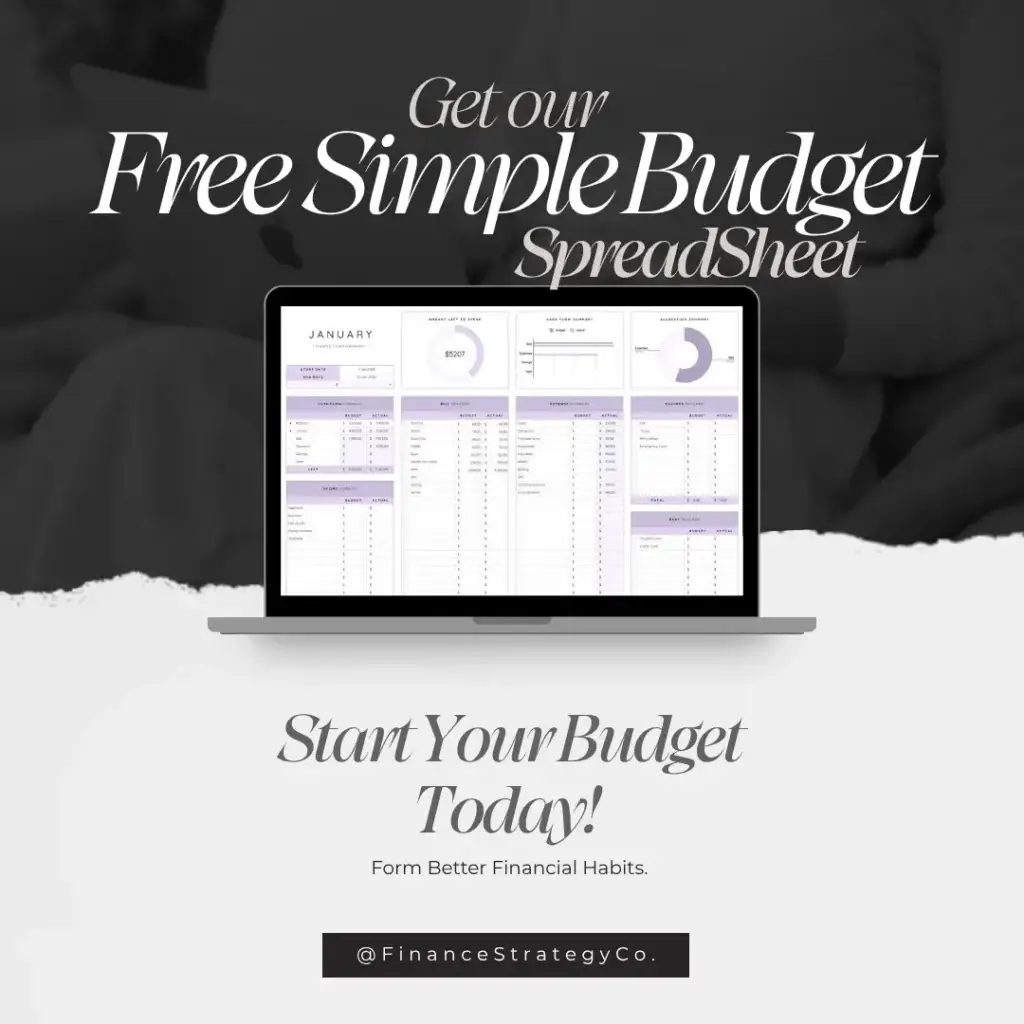
Ready to Organise Your Future Expenses?
The right financial tools can make sinking funds simple to create, track and maintain. Explore the Finance Strategy Co. collection of thoughtfully designed budgeting, savings and financial planning tools created to help you organise your money, prepare for what's ahead and build a financial system that fits beautifully into your lifestyle. Money management, elevated.